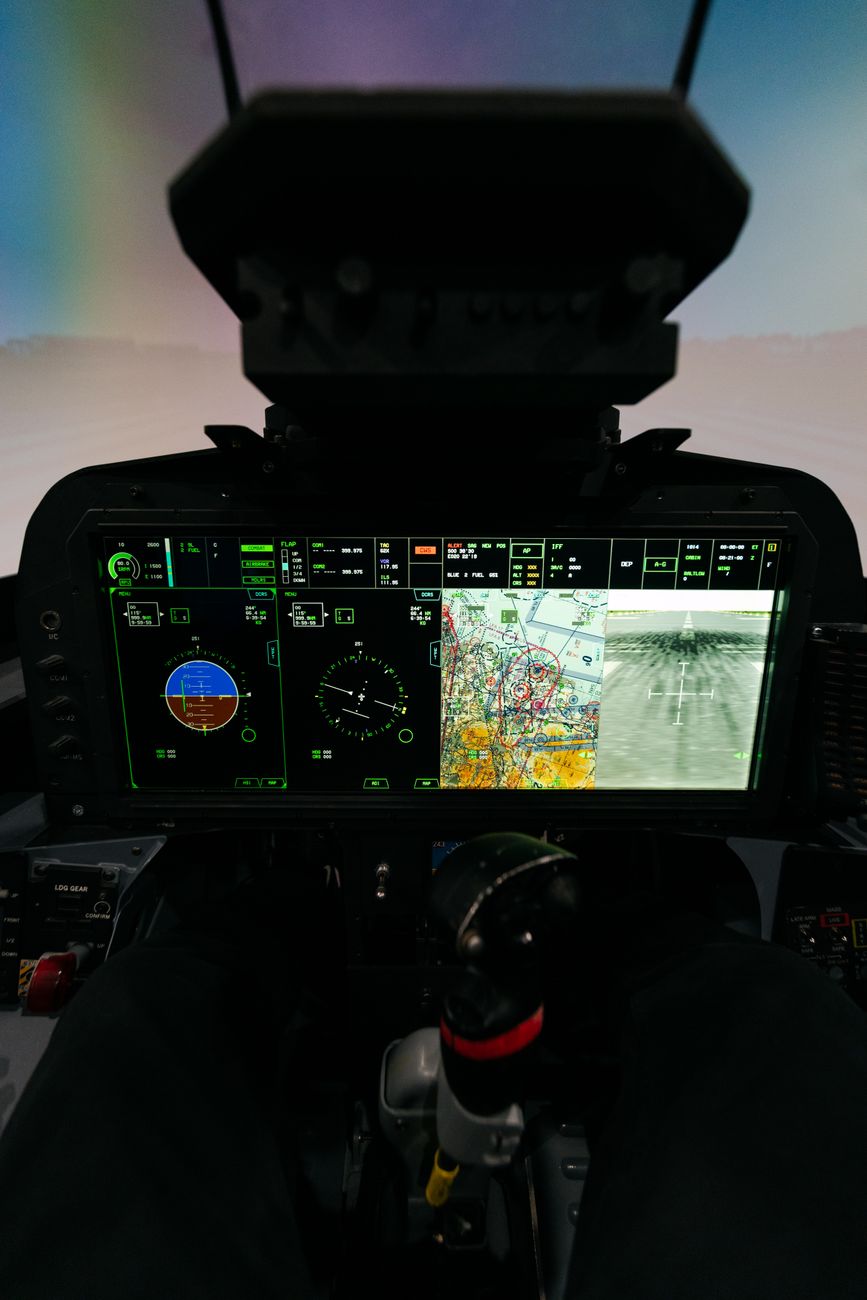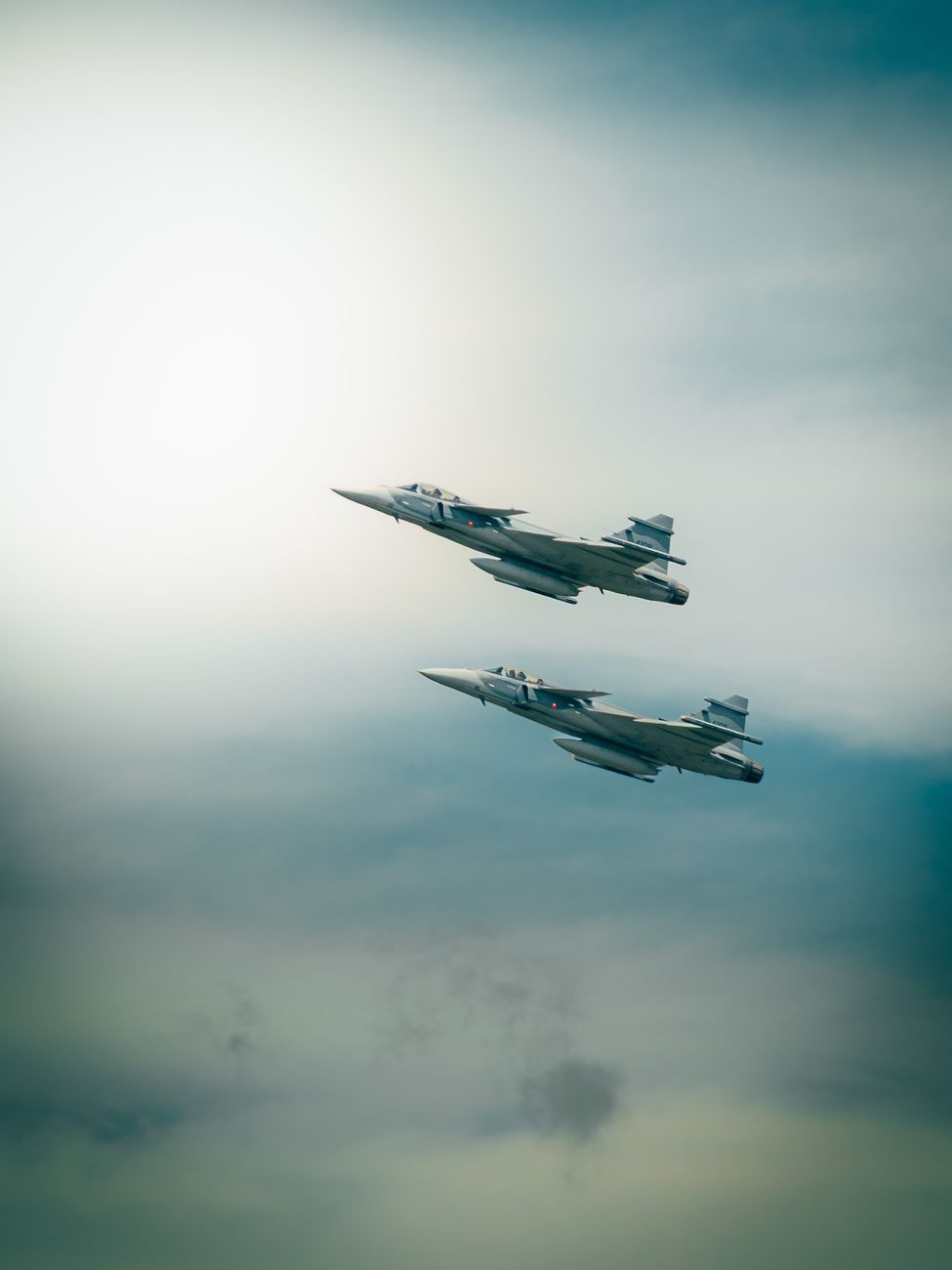
For seventy years, air defense was a posture of waiting. Radar watches, alert pads, crews that slept beside their aircraft with their boots on. The garrison existed, but it was a human garrison: brave, expensive, and only as fast as the phone tree that woke it.1 The sky did not care that the crew was tired.
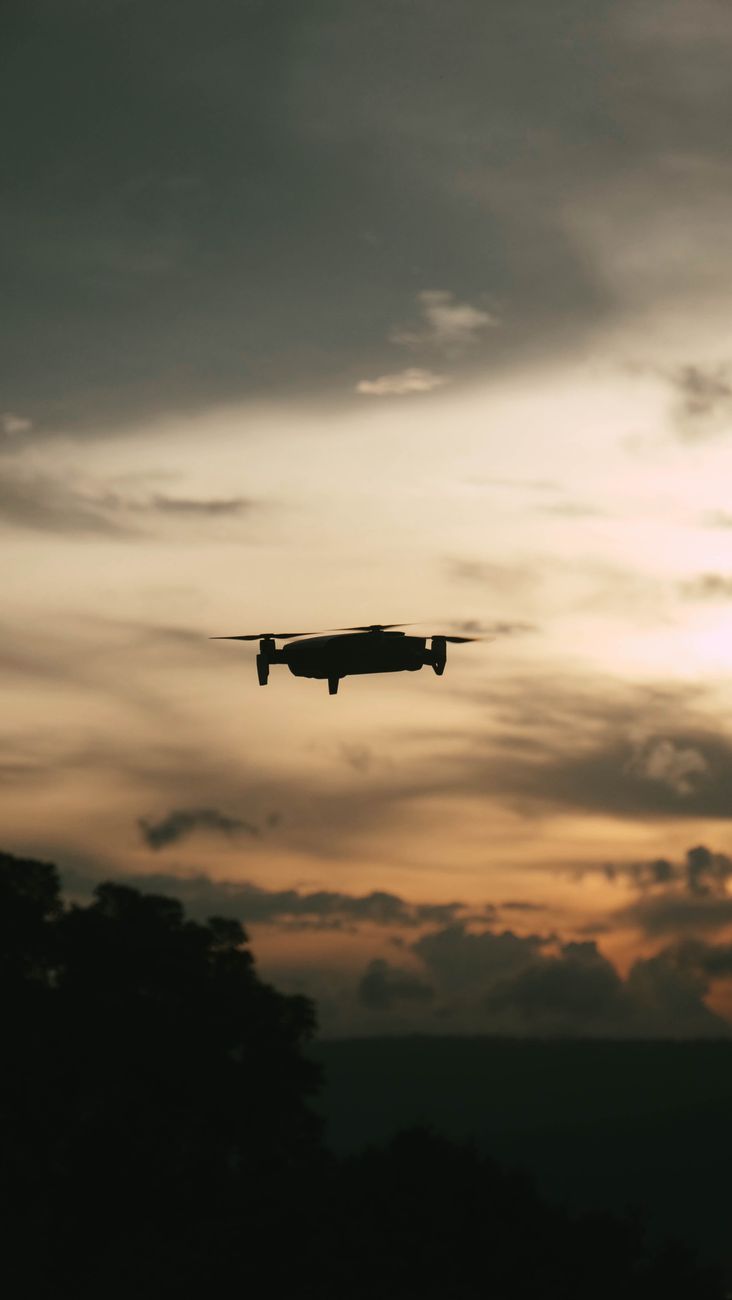
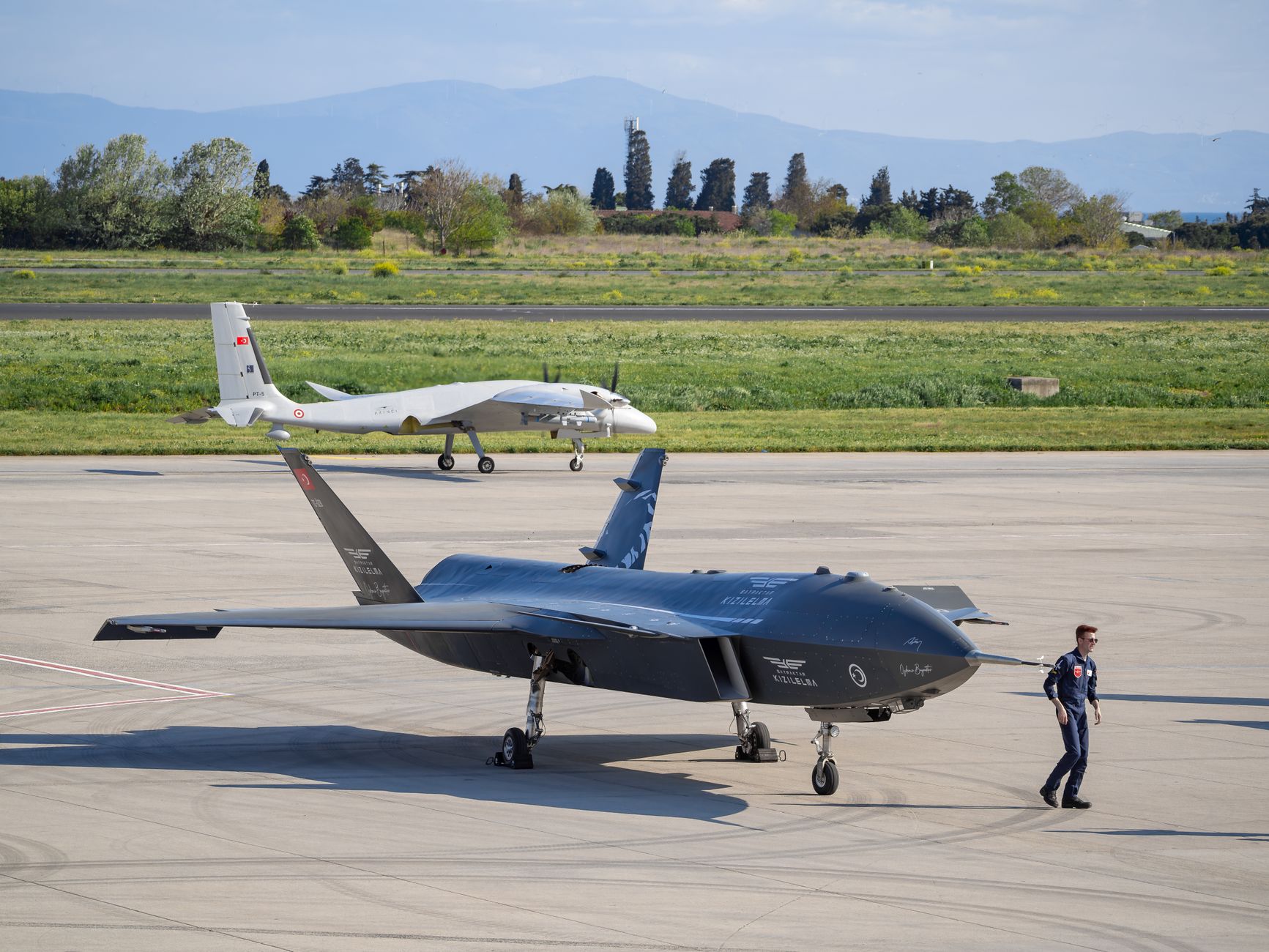
An autonomous garrison inverts that posture. The airframe does not sleep, rotate off station, or stand down for the holidays. It flies the pattern from dusk to dusk, schedules its own recharge cycles, and hands a verified track to a human authority the moment the picture changes.2 What was once a watch rotated among tired people becomes a permanent property of the airspace itself.
The doctrine is four verbs. Patrol: persistent, low-noise patterns over the perimeter, tuned to terrain and threat season. Detect: fused sensor takes that flag anomaly long before a human eye would. Verify: the machine closes, classifies, and builds the evidentiary picture, but does not decide. Respond: a human authority, briefed by the machine, commits to the action the state has already rehearsed.3
“The garrison is no longer a shift roster. It is a property of the airspace, held the way a wall holds a city.”
We build for the least glamorous hour of this loop: the tenth consecutive night of nothing happening. Reliability is not a feature of the garrison; it is the entire specification. An airframe that is 99 percent available is, for one night in every hundred, a hole in the national border.4
droneGarrison exists because states deserve a defense industry that treats uptime the way utilities treat the grid: as an obligation, measured in nines, audited in public. The always-on garrison is our answer, and it is delivered, not promised.
- 1. Standard readiness accounting across NATO alert pads in the 1980s put sustained segment availability far below the utility-grade bar we hold today.
- 2. Every engagement decision remains with the national command authority. The airframe recommends; the state decides.
- 3. Response playbooks are rehearsed with each client force before the first operational patrol is flown.
- 4. Fleet availability is reported monthly to client programs as a contractual metric, not a marketing claim.